
Seven Alternatives to Sandwiches for a Packed Lunch
Everyday food · Packed lunches
The best alternatives to sandwiches for lunch depend on where you will eat. Pack soup in a food flask if you want something hot outdoors, take frittata and salad if you have somewhere to sit, or fill a lidded bowl with grains, chickpeas and roast vegetables. A good packed lunch is easy to carry, simple to eat and still appealing by the time you open it.
Start with a container and a time rather than a long shopping list. If there is no fridge at your destination, plan how to keep chilled food cold. If you only have a short break, choose something you can eat straight from the box. The ideas below use ingredients you can often carry over from dinner, then change with a different dressing, topping or side.
1. Take soup in a food flask
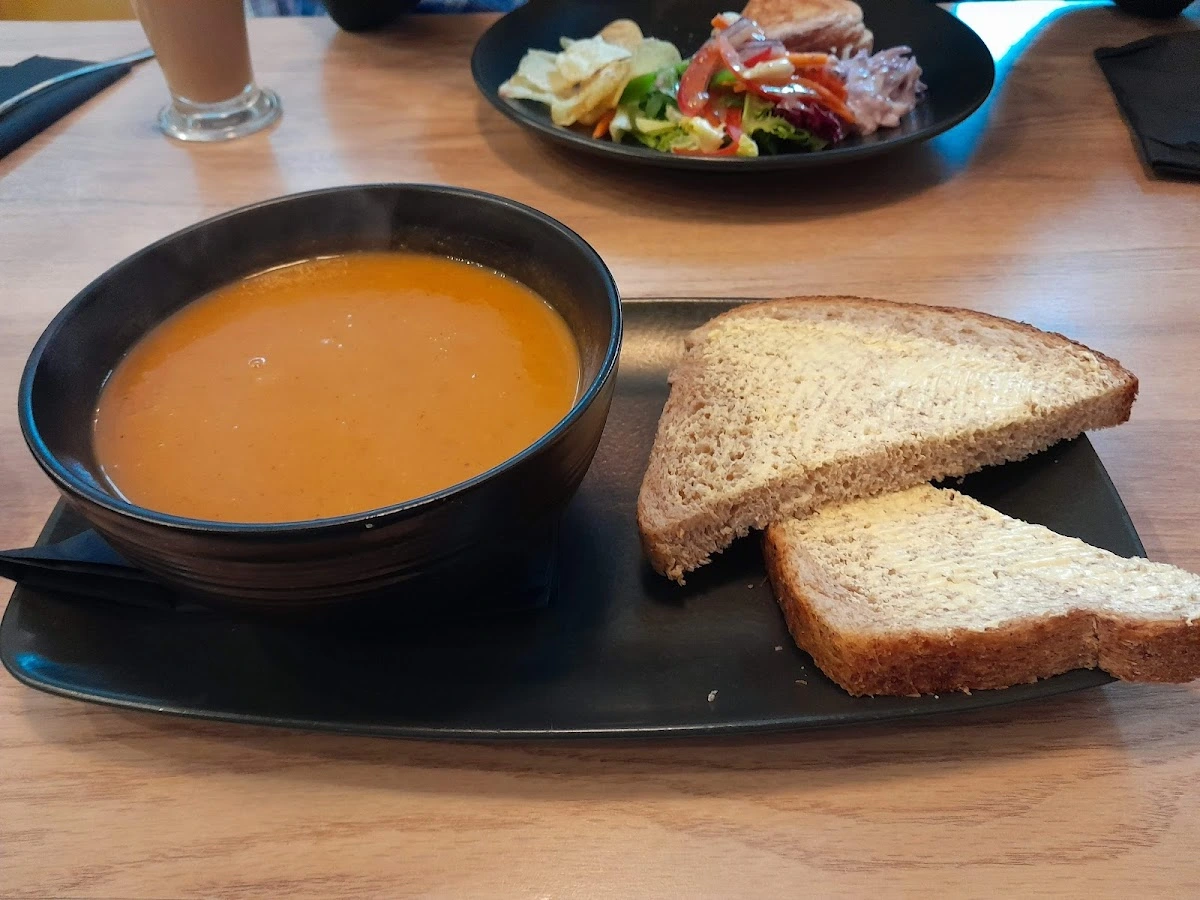
Leek and potato, tomato and red lentil, and carrot with ginger are all good flask soups. For a more substantial lunch, add cooked butter beans or choose a lentil soup. Pick a wide-mouthed food flask so you can eat straight from it with a spoon. Follow the flask instructions for preheating and filling, and start with piping hot soup. Keep toppings such as toasted seeds or croutons in a small, dry pot to add just before eating.
A flask works well on an outing when you know you can stop and sit down. Pack it upright and take a napkin. For ideas to cook at home, use our homemade soup guide as a starting point.
2. Pack slices of vegetable frittata
A firm frittata travels well and can be portioned before you leave. Try leek, potato and cheddar, or roasted peppers and spinach. Cook any watery vegetables first and let excess moisture evaporate so that the frittata sets cleanly. Chill it promptly after cooking, cut it into wedges once cold and pack it in a snug container so it stays in one piece. Add a handful of cherry tomatoes or sliced cucumber in a separate compartment.
A frittata also makes it easy to use a small amount of leftover roast vegetables. Mix two or three that go together and leave strong dressings until lunchtime. Use a different side the next day if you have another chilled portion to eat.
3. Build a grain bowl with roast vegetables
Start with pearl barley, bulgur or quinoa, then add roast carrots, peppers or squash. Chickpeas make it more filling, and a handful of chopped parsley or spring onions adds freshness. A lemon and mustard dressing lifts the whole bowl. Pack it in a separate pot if you are including leaves or want the vegetables to stay firmer.
Keep the ingredients in separate containers when you prep for more than one meal. One bowl might get lemon and parsley, while the next can take a spoonful of harissa yoghurt and chopped cucumber. If you need a gluten-free option, check the grain and labels carefully. Our gluten-free lunch guide has more ideas for dietary swaps.
4. Make a butter bean and tomato lunch pot
Drain a tin of butter beans and combine them with chopped tomatoes, cucumber and olives. Add a little olive oil, lemon juice and black pepper. If you are making the pot the evening before, drain juicy tomatoes before packing them or carry them separately. A few cubes of feta or a spoonful of hummus can make the pot more substantial, depending on what you have to hand.
This is a useful choice when there is no microwave at work. Take a fork and keep the lunch chilled. If you like a crunchy side, use a dry compartment for oatcakes or crackers and keep it away from the tomato juices.
5. Pack a cold pasta salad
Short shapes such as fusilli or penne fit into a small container and are easy to eat with a fork. Try peas, roasted courgette and pesto, or chopped peppers, sweetcorn and a mustard dressing. Cool and refrigerate cooked pasta promptly. Dress it lightly when you assemble the box, then take an extra spoonful in a separate pot so you can loosen the salad at lunchtime.
Pasta salad is a handy way to use smaller portions of vegetables from the fridge. For a lunch with texture, take toasted seeds separately and stir them in just before eating. Check the pesto label if you are packing lunch for someone with an allergy or a vegetarian diet.
6. Put together a picky lunch box
Use a divided container to make a meal from the bits you already have. Fill it with generous portions of hummus or bean dip, vegetable sticks, hard-boiled egg, fruit and oatcakes. Swap the egg for extra chickpeas or a pot of yoghurt if you prefer. Plan the box as you would a plate of lunch, with enough in it to keep you going through the afternoon.
Keep wet ingredients in the smallest sealed compartment and put crackers or oatcakes in a dry one. A divided box is particularly helpful for children who like foods kept separate. Make sure they can open the lids on their own and check any school rules about ingredients.
7. Take a jacket potato with a separate topping
A jacket potato is a good work lunch when you have access to a microwave. Bake it at home, cool it promptly and refrigerate it. Pack the potato and topping separately so you can reheat the potato until piping hot, then add grated cheese, baked beans or a spoonful of chilled coleslaw as appropriate. Let it stand briefly before handling it and take a sturdy fork.
Choose a container with room to split the potato open. If you have a chilled topping, add it just before eating so the potato does not turn soggy on the way to work. This is a good option if your lunch break is long enough to use the microwave without rushing.
Frequently asked questions
What can I take for lunch without a microwave?
Try frittata, a bean and tomato pot or a grain bowl. A suitable food flask is another option if you want soup. Keep chilled lunches in a fridge when you arrive or use an insulated bag with an ice pack while you are out.
How can I stop a packed lunch getting soggy?
Pack dressings and dips separately, dry washed leaves well and keep crunchy toppings in their own pot. Choose a leakproof box for anything with a thin sauce and give it room to sit upright in your bag.
Can I use dinner leftovers for lunch the next day?
Yes, if you cool and chill them promptly and follow the storage guidance for the dish. Food Standards Scotland gives advice on chilling and reheating leftovers. Keep your lunch cold on the journey unless you are using a suitable flask for hot food.
What works for a packed lunch when I am leaving early?
Prepare a cold box the evening before and store it in the fridge. Put the empty cool bag and cutlery by the door, then add the chilled food and an ice pack as you leave. Keep dressings and crunchy sides separate until you are ready to eat.
Which option is easiest for a school packed lunch?
A divided box or cold pasta salad is straightforward to portion. Choose familiar foods, use a container the child can open and check school guidance on allergens or other food restrictions.
Leave a Reply
You must be logged in to post a comment.